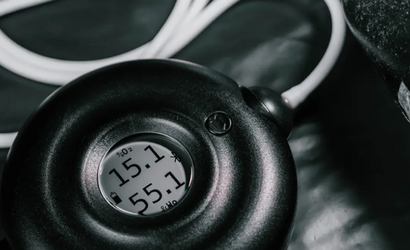
Diving with enriched air (Nitrox) is now common practice – but one thing hasn’t changed: every diver is personally responsible for verifying their breathing gas mixture.
The manufacturer Divesoft recently published a useful article explaining how to properly analyze Nitrox and what to pay attention to before a dive. Since their products are part of our offer, we are sharing some of the key takeaways.
Why Gas Analysis Is Not Just a Formality
The oxygen percentage directly affects:
- your dive computer settingsthe
- Maximum Operating Depth (MOD)
-oxygen exposure safety
Relying solely on a cylinder label or someone else’s measurement is not enough. Each diver should personally analyze their tank — ideally shortly before the dive.
What Is Essential for Proper Analysis?
According to the manufacturer’s recommendations, special attention should be given to:
- Proper calibration (20.9% O₂ in ambient air)
- Stable and controlled gas flow
- Allowing the reading to stabilize
- Clearly labeling the cylinder with the measured value
- Correctly setting the dive computer
Common mistakes include skipping calibration, using excessive gas flow, or trusting an existing label without verification.
Reliable Equipment Matters
Measurement accuracy depends on both the analyzer quality and the condition of the O₂ sensor. Regular checks and timely sensor replacement are part of responsible diving practice.
Read the Full Article
For a detailed explanation of the procedure and additional expert recommendations, you can read the original article here:
DIVESOFT - A Diver’s Guide to Analyzing Nitrox the Right Way
https://www.divesoft.com/en/blog/a-divers-guide-to-analyzing-nitrox-the-right-way